
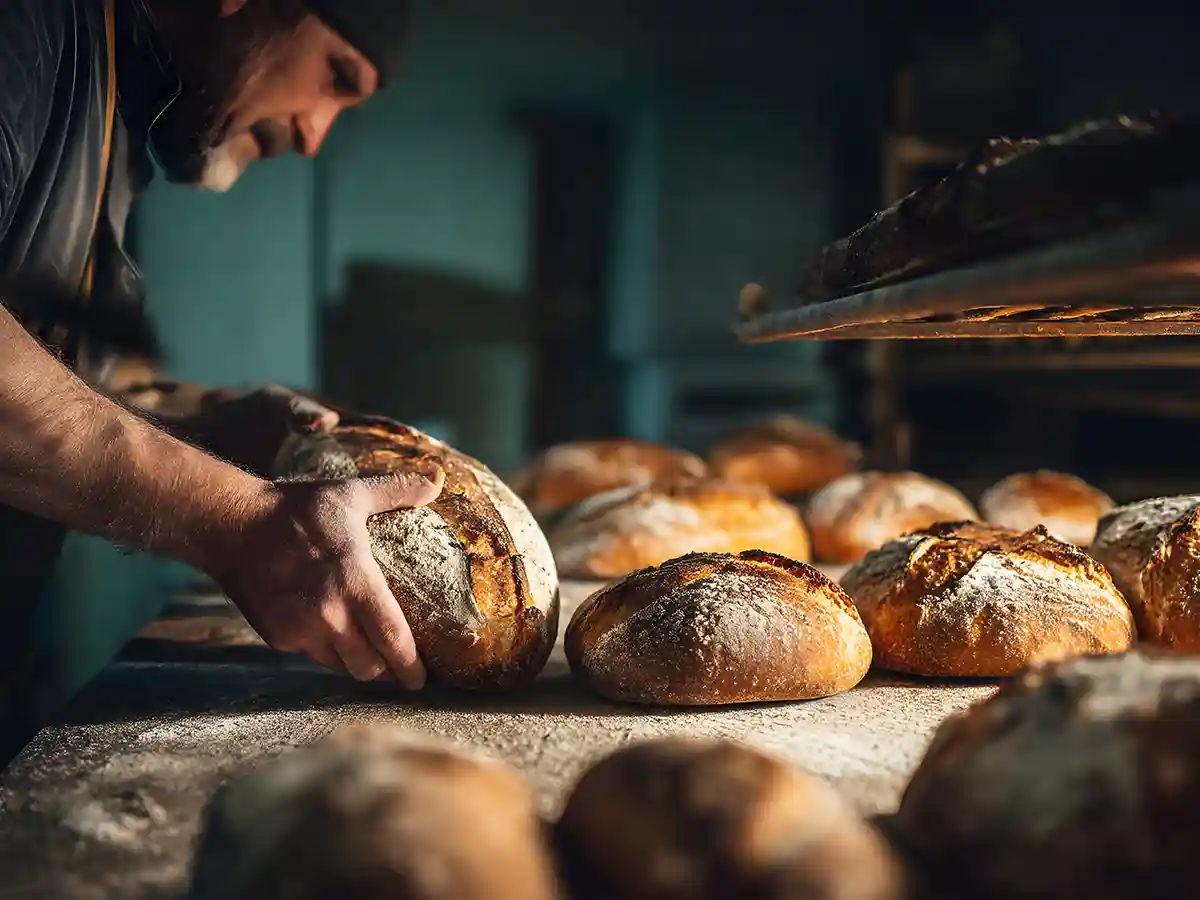
From Artisan to Automated: How Small Bakeries Can Scale Without Losing Identity
Small bakeries stand out in the baking world. Their character is clear in hand-shaped loaves, careful dough work, slow fermentation, and recipes built on experience. Customers come for more than just bread; they come for real craftsmanship. But as demand grows, many small bakeries face a turning point. Orders go up, new retail opportunities appear, and even regional grocery stores start to take notice. Suddenly, production needs to double or triple. This raises an important question: how can you grow without losing what makes you unique?
By 2026, this situation is more common than ever. Many independent bakeries in North America are moving to mid-scale production, not because they want to become industrial, but because customers want more of what they make. For many, scaling up is now necessary. The main challenge is making sure growth keeps the bakery’s identity strong instead of weakening it.
Scaling up can feel risky for small bakeries. Many worry that automation will make everything look the same, taking away the unique beauty of their products. Owners fear that machines will change the dough’s character. They picture dividers taking over from skilled hands, sheeters removing personality, and automation turning a handmade product into something generic. These concerns make sense, but they often come from not knowing what modern bakery equipment really does.
When used thoughtfully, automation does not take away craftsmanship. Instead, it helps by reducing physical strain, repetitive work, and inconsistency. Bakers still make the important decisions about dough, fermentation, and baking. The main change is that these choices can now be done more efficiently.
The most successful small bakeries that grow have one key rule: dough quality is sacred. Everything starts with that. When moving from small batches to bigger mixers, bakeries soon find that scaling a recipe isn’t just about multiplying ingredients. Dough acts differently in larger amounts. More mechanical energy is involved. Friction changes the temperature. Hydration works differently with flour at scale. Fermentation timing also changes.
Bakeries that rush this process often lose the texture and flavor that made them special. The ones that succeed see scaling as a chance to experiment, not just copy. They adjust water temperature, mixing time, and fermentation rests. They test small changes before making big ones. They make sure the dough still feels right, even when making larger batches.
After dough consistency is maintained, the next challenge is labor. Small bakeries often reach a point where repetitive tasks slow them down. Dividing dough by hand for hundreds of loaves each hour is tiring and inconsistent. Laminating pastry by hand limits how much can be made each day. Hand packaging takes up time that could be used to improve recipes or shape products.
This is where the right automation can really help. A good dough divider keeps each piece the right weight without changing the flavor. A sheeter helps with consistency, so bakers can focus on finishing touches. A small packaging machine doesn’t take away your bakery’s identity; it just speeds up the last step so your skilled staff can focus on what matters most.
Packaging is often the first big challenge small bakeries face. Many can bake more than they can wrap or label. Staff who should be shaping dough end up folding bags or taping boxes. By automating packaging before other parts of production, bakeries can quickly increase capacity without changing the product. This upgrade is one of the easiest and most effective first steps in scaling up.
As bakeries grow, they also need to rethink how production flows. Small bakeries often add equipment wherever there is space, so proofing might happen near the ovens and cooling racks might be next to mixers. As production increases, this setup can get confusing and slow things down—not because of lack of skill, but because the flow isn’t efficient.
Scaling up often means reorganizing your space instead of replacing every machine. Clear zones for mixing, fermentation, shaping, baking, cooling, and packaging can greatly reduce cross-traffic and confusion. Even small layout changes can improve workflow while keeping artisanal methods intact.
Environmental control becomes more important as production grows. In small bakeries, room temperature and humidity can change with the seasons. At low volume, experienced bakers adjust naturally. At higher volume, these changes add up quickly. Adding controlled proofing or stabilizing room conditions doesn’t make the bakery industrial; it makes results more reliable. It helps dough behave predictably even as daily output increases.
The biggest misconception about scaling is that authenticity comes from manual labor. In truth, authenticity comes from decision-making. It is shaped by fermentation time, ingredient quality, shaping style, and baking profile. Machines can divide dough, but they cannot decide how long it should ferment. They can sheet pastry, but they cannot determine flavor balance. They can seal packaging, but they cannot define a bakery’s brand.
When small bakeries grow carefully, they use automation for repetitive tasks but keep the important decisions with the bakers. This lets bakers focus on what matters most: watching dough development, adjusting for the weather, shaping, scoring, and choosing the right bake color.
One of the most practical lessons in 2026 is that equipment should be upgraded in the right order. Bakeries that buy high-capacity ovens before making mixing accurate often struggle. Those who add complex automation before improving ingredient control often see quality slip. The most resilient bakeries build strong foundations first—consistent mixing, reliable portioning, stable fermentation—before expanding further.
Another new trend is that mid-size equipment is now easier to find. Smaller mixers, compact dividers, modular proofers, and flexible packaging machines are designed for bakeries moving beyond small batches. This means you don’t have to jump straight to big industrial setups. You can grow step by step, upgrading as needed without overwhelming your bakery.
Scaling up isn’t about turning into a factory; it’s about making your business sustainable. Many bakery owners grow because they have to, not because they want to become industrial. They want to meet demand without exhausting their teams. Staff burnout is a real risk, with repetitive strain, long nights, and constant manual work. Smart automation can make work easier and increase production at the same time.
When labor strain goes down, morale improves. When output becomes steady, stress drops. When consistency increases, customer trust grows. These are the quiet benefits of scaling well.
In 2026, the small bakeries that succeed will be those that see modernization as a way to protect tradition, not replace it. By maintaining high dough quality, carefully addressing bottlenecks, improving workflows, and ensuring people continue to make the key decisions, bakeries can grow without losing what makes them special.
Growth does not have to mean everything becomes the same. You don’t have to give up hand-finishing or your unique shaping styles. It just takes discipline, knowing which steps need precision and which need a personal touch. These details bring personality, story, and authenticity to a market that values them more and more. Scaling, when done with care, lets that personality reach more customers without losing what made it special in the first place.
The future isn’t just for big industrial bakeries. It’s also for small bakeries willing to grow thoughtfully, combining their craft with smart automation and proving that growth and identity can go hand in hand.

Call Us Now
Have questions or need assistance? Our team is ready to help with any inquiries, big or small. Reach out to us, and we'll ensure you get the support and answers you need. Let's connect!